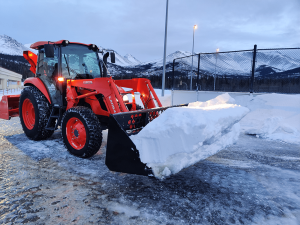

Winter weather changes outdoor movement in small stages at first. Snow gathers along the driveway edges, parking spots lose a little space, and walkways become softer underfoot after repeated use. Then another storm arrives before the older accumulation fully clears away and suddenly everything feels tighter to move through.
That buildup happens more often during long freezing periods. Because of that, many property owners arrange https://highmarkservicesak.com/services/plowing/ support early instead of waiting until surfaces become difficult to manage later in the season.
Winter Buildup Affects Homes Businesses And Shared Pathways
Snow affects every type of property differently. Residential areas mainly deal with driveway access and daily vehicle movement, while commercial spaces focus more on parking flow and continuous entry access throughout the day.
Shared pathways create another challenge because foot traffic compacts snow quickly into slippery layers.
Areas That Usually Become Difficult First
- Narrow driveways
- Building entrances
- Sidewalk corners
- Parking exits
- Shared vehicle lanes
And some sections stay frozen much longer simply because sunlight barely reaches them during colder weeks.
Clearing Schedules Help Reduce Repeated Snow Accumulation
Some people only request winter clearing after heavy accumulation blocks movement completely. Others prefer steady seasonal maintenance because smaller cleanup sessions often prevent deeper packed buildup from forming later.
Both approaches happen during winter.
Surface Care Continues After The Main Snowfall Passes
A lot of people assume winter maintenance ends once the visible snow gets removed. In reality, surfaces continue changing even after the storm passes.
Melting during daylight can create moisture that freezes again overnight into rough icy sections. Wind may push loose snow back across cleared areas only hours later.
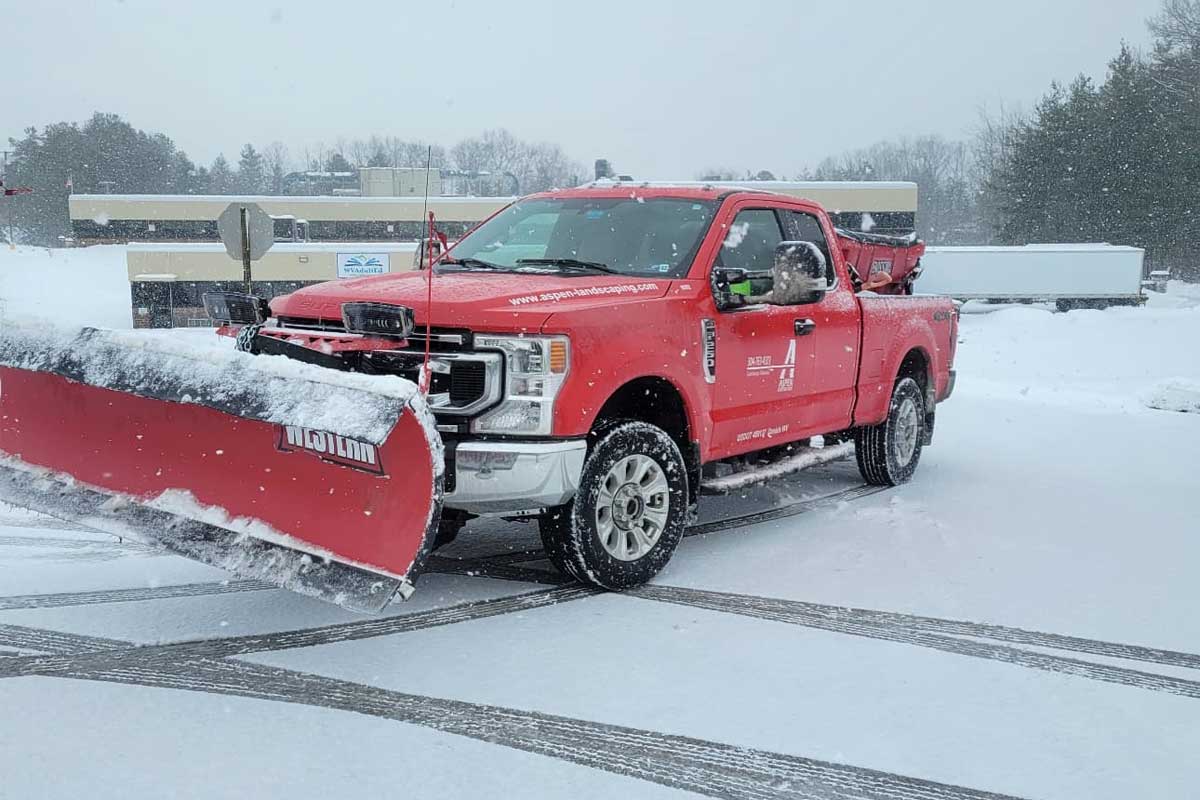
Ongoing Winter Surface Tasks Often Include
- Ice monitoring
- Walkway clearing
- Parking edge widening
- Snow relocation adjustments
- Surface checks after freezing
And smaller maintenance sessions sometimes work better than waiting for one large cleanup situation to develop.
Ice Control Supports Safer Movement During Colder Mornings
Ice usually becomes more noticeable early in the morning when overnight temperatures drop harder. Thin frozen layers near entrances or shaded walkways may remain hidden beneath light snowfall until people begin walking across them.
That is why winter surface care involves more than simple plowing.
Areas That Often Hold Ice Longer
- Sloped driveways
- Side building paths
- Parking corners
- Garage entrances
- Areas with lower sunlight exposure
A property may appear mostly clear from far away but still feel slippery once movement begins across the surface.
In many situations, people looking for click here support are trying to maintain reliable winter access before heavy buildup creates larger movement problems.
Long Winter Seasons Require Organized Maintenance Support
One storm usually is not the hardest part of winter. The real challenge often comes from repeated accumulation building gradually over several weeks without enough clearing in between.
Problems That Develop During Long Winter Periods
- Deep compacted layers
- Rough tire paths
- Reduced parking space
- Uneven walking sections
- Difficult turning areas
And winter conditions rarely stay predictable for very long anyway. One calm week can suddenly turn into multiple back-to-back storms with drifting snow and overnight freezing layered together.
Winter surface maintenance changes constantly because weather conditions, snow texture, and temperature shifts all affect outdoor movement differently throughout the season. Some mornings feel manageable until the first few cars begin driving across the property again.